Roots from mature trees get into the clay and old cast iron sewer laterals of older homes in York Region and North York and back up the basement, often in the same season each year. We cut them out, film the line and show you what ends the backups.
Roots start as fine hairs at one joint, catch paper and grease, and thicken into a mat. The first signs show at the lowest drain in the house while upstairs fixtures keep working.
The season gives it away: a main line that backs up at the same time every year is usually rooted, and cutting alone only buys time. If sewage is on the floor, call for 24/7 main sewer line clog clearing.
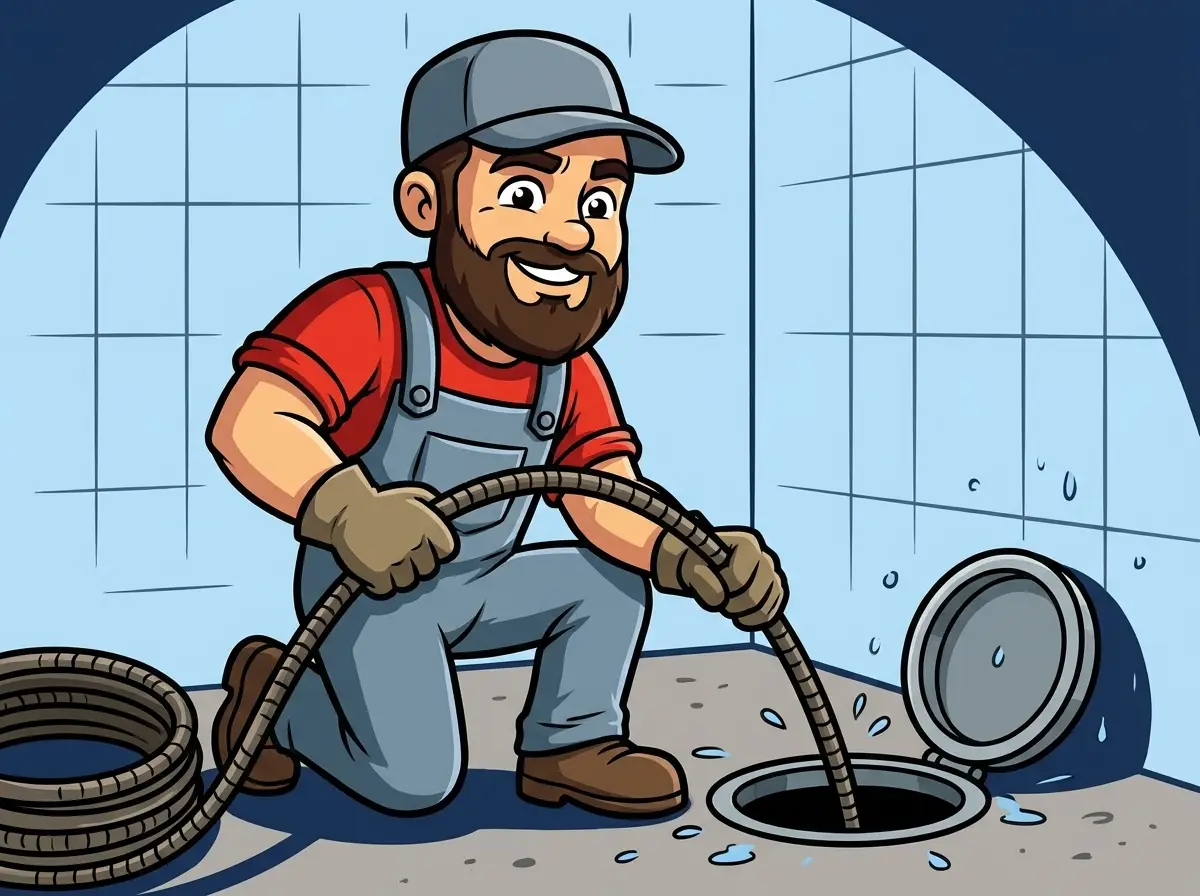
Root cutting gets the drain working again. The camera footage we take afterwards decides whether next year looks the same.
Roots need an opening. Clay tile comes in short lengths joined at bells, and old cast iron has packed hub joints that loosen with age. Plastic lines in newer subdivisions seldom root.
Post-war clay laterals under big trees in Royal Orchard, Bayview Glen and Thornhill Village. See plumbing in Thornhill.
Willowdale and Don Mills bungalows often pair cast iron drains with a clay lateral. See North York drain cleaning.
Century-old houses around Main Street South in Newmarket and Town Park in Aurora, often still on clay or cast iron.
Mature trees over original laterals near Mill Pond and along Yonge. See plumbing in Richmond Hill.
Root cutting, camera work and lateral repair from AquaTec Plumbing, licensed and insured plumbers based in Holland Landing.
A toothed root blade on a cable machine shears the mat; a jetter scours what it leaves, if the pipe can take it.
Usually by the front foundation wall; otherwise through a basement toilet, and we say so first.
A blade just under pipe size runs toward the street and returns with cuttings we read: root, paper or clay shards.
After a quick camera look, sound pipe gets a root nozzle that scours regrowth and flushes out sand. Cracked or thin pipe does not.
We run the washer and watch the floor drain take it without a gurgle.
A cleared line only proves it drains. With the pipe rinsed, the camera runs the whole lateral while you watch, a counter logs the distance to each fault, and a transmitter in the head lets us mark its spot and rough depth on the lawn.
More on sewer line repair and replacement, and on hydro jetting and drain camera inspection.
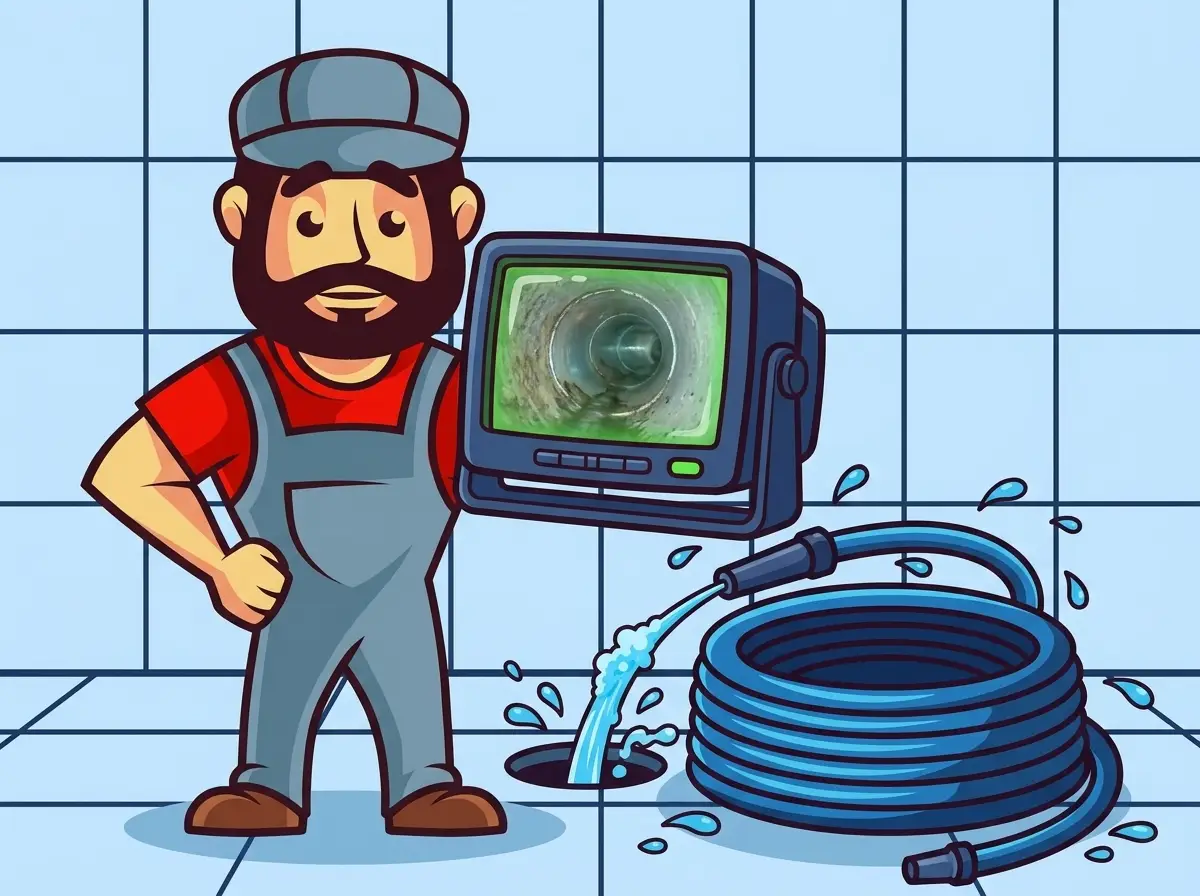
The footage usually makes the choice plain, and the price is in writing before any digging.
One or two bad joints on sound pipe: one excavation, the rooted length cut out, new PVC joined with shielded couplings.
Roots at joint after joint, or clay cracked along its run: we replace the line from the house toward the property line in PVC.
Utilities are located first. Expect a trench, drains out of use while we work and a camera pass before backfill.
Depth, length, failed joints, what covers the line (lawn, interlock, driveway or the tree), any permit and restoration.
Responsibility is usually split at the property line: the pipe under your lot is yours, and the section under the boulevard to the main is the municipality's. Roots ignore that line, so the camera's distance reading matters.
If the damage is past your line, we show you the footage and distance to take to the municipality. In Thornhill that is Vaughan west of Yonge or Markham east of it (see drain cleaning and root cutting in Thornhill). In North York it is the City of Toronto.
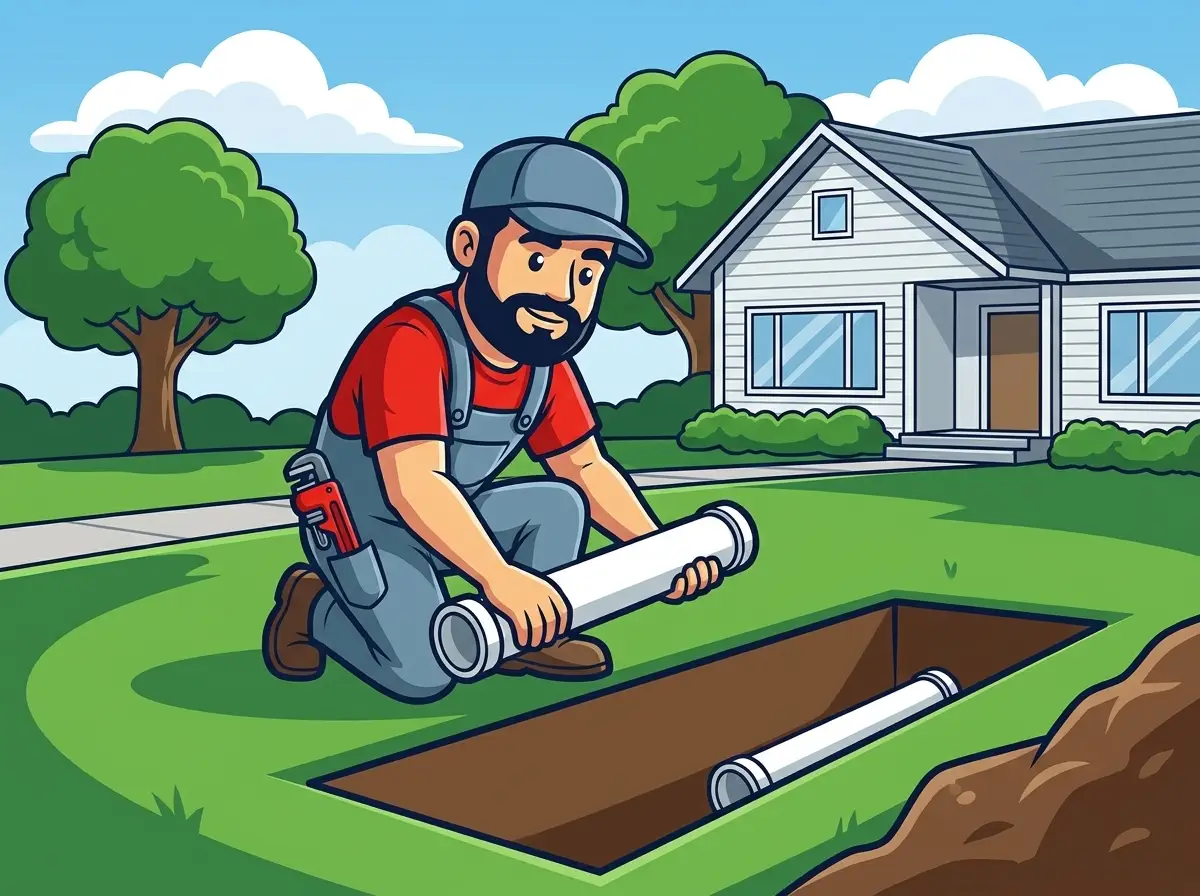
Sealed PVC joints take away the entry points. Planting and upkeep decide the rest.
Keep thirsty trees such as willow, silver maple and poplar away from the lateral's route; shrubs are safer over the pipe.
On the camera visit we can trace the lateral across the lawn before you plant or lay interlock.
If replacement is not yet in the budget, regular cutting keeps a sound, rooted line open, on a schedule set by how fast roots return on camera.
A slow floor drain or a gurgle as the washer empties is the cue to call.
What homeowners ask when roots keep backing up the sewer line.
We cut the roots out, camera the lateral and tell you what it needs.