We handle scaled-up tanks, cramped cottage crawl spaces and heaters drained every fall, and we price every job in writing before work starts.
Keswick hot water calls usually trace to the water, the space or the season. Whether your house draws from a private well or Lake Simcoe supply, the minerals and sediment in the water decide how fast a tank scales up, so we look at what yours leaves behind. Many lakeshore homes began as cottages, with the heater fitted wherever it would squeeze in, and some near Roches Point still close for winter.
In newer Keswick homes with natural gas and a mechanical room, the question is often tank or tankless. On older lakeshore and outlying properties we ask about fuel first, since some run electric or propane heaters rather than natural gas.
AquaTec Plumbing serves Keswick through our York Region water heater service; see also our Keswick plumbing page.
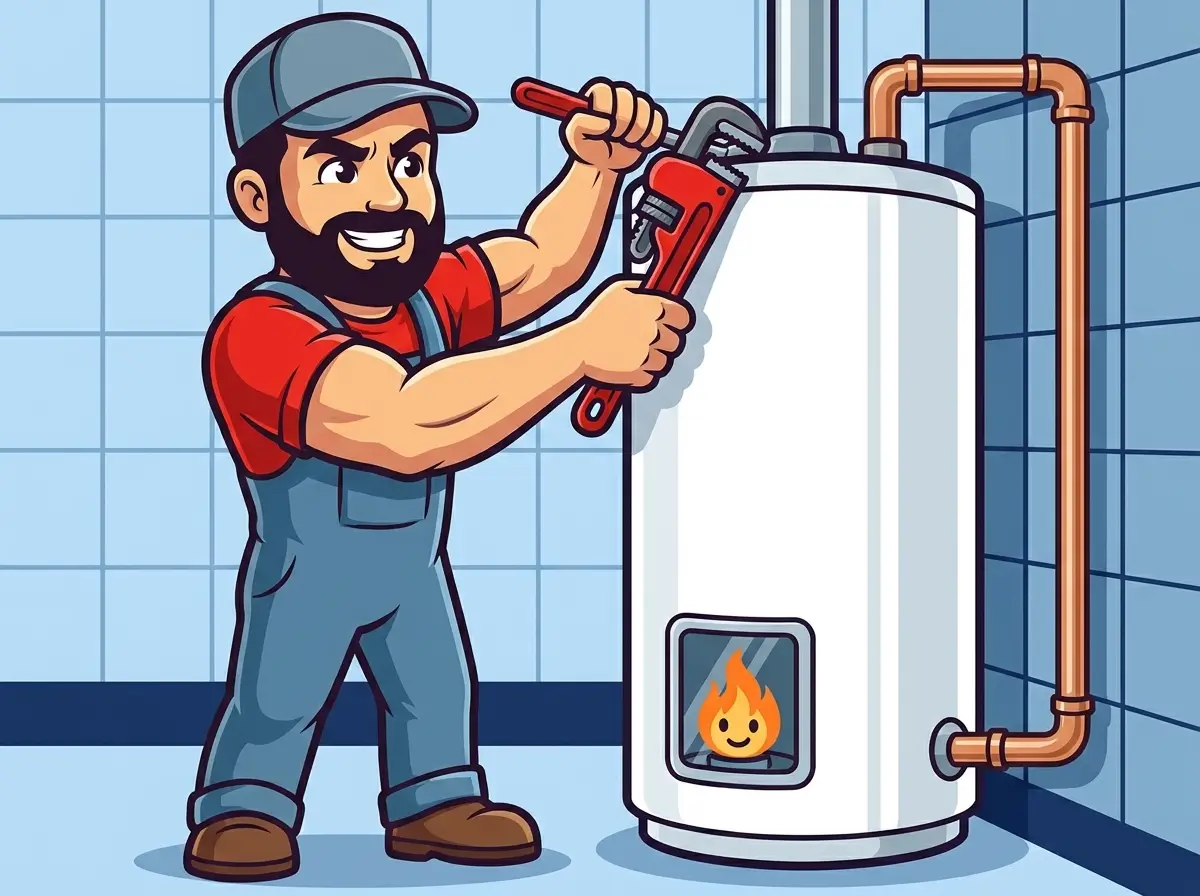
A tank still dry on the outside is often worth fixing.
A pilot that will not stay lit is gas work, so we tell you up front that a licensed gas fitter will check the thermocouple, the pilot flame and the air intake screen. In dusty closets and crawl spaces, lint on that screen is a common culprit.
With the breaker off we meter both elements. On hard water the scaled lower one usually fails first, and the tank is refilled before power returns.
Warm but never hot points to a drifted thermostat, a tripped high-limit switch or a broken dip tube mixing cold water into the hot.
A drip at the relief valve pipe often means thermal expansion. A drain valve or top fitting can be replaced; a weeping tank body cannot.
Leaking now? Shut the cold supply above the heater, turn off its gas or breaker and call 289-470-6221 for 24/7 emergency plumbing.
When the tank itself is leaking, replacement runs in this order.
Unsure whether yours is finished? Read signs a water heater needs replacing.
Tankless suits many newer Keswick homes on natural gas if two things are settled first.
A tankless heater needs much more gas while running than the tank it replaces, so we check the existing line, its length and the other appliances on it before we recommend a unit. A licensed gas fitter connects the gas and vents the new unit. If the line needs an upgrade, we tell you up front, and the gas fitter does that work too.
Where the water is hard, scale builds in the heat exchanger too. Service valves allow descaling in place, and softening ahead of the unit prevents most of the build-up.
Heat drops the minerals out of hard water. In a gas tank they crust over the bottom and trapped water boils through in bursts, the rumble or pop you hear; in an electric tank they bury the lower element.
A yearly flush helps a younger tank, but on an old tank that was never drained, the drain valve may not reseal once opened. Turning the thermostat up only speeds the scaling.
A water test shows whether yours is hard; if it is, the lasting fix is treatment ahead of the heater: see water softener installation in Keswick and water treatment for Keswick homes. Soft water wears the anode rod faster, so we check it at service visits.
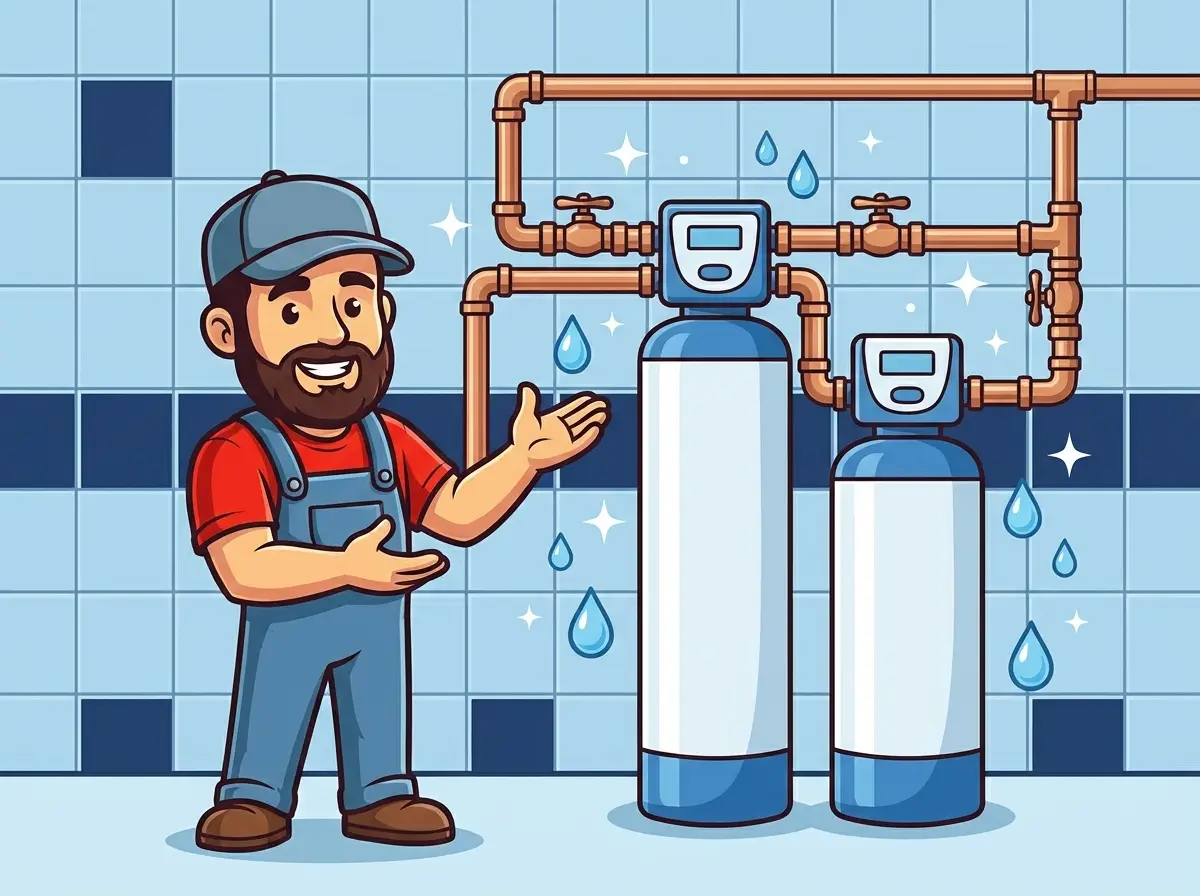
In converted cottages the heater often sits in a crawl space, a closet or a tiny utility room, so replacement starts with the space.
We measure the hatch, stairs and door. Sometimes only a shorter tank or a wall-hung tankless unit will get in.
A pan piped to a floor drain or sump handles a real leak. With neither in reach, a leak alarm beside it helps.
A gas heater shut in a small closet needs combustion air and vent clearance: a louvred door, ducted air or a direct-vent model. Any change to the gas venting is done by a licensed gas fitter, and we tell you up front whether one is needed.
We leave space at the controls and drain valve, and insulate the lines where a crawl space freezes.
Places near Roches Point and the lakeshore that close for winter need the heater emptied in fall and refilled in order.
Cottages in Sutton, Jackson's Point and Pefferlaw are covered on our Georgina plumbing page.
We see the heater and its space first, then price the job in writing.
Call 289-470-6221 and tell us the fuel, where the heater sits and whether it is leaking.
Leaking tank or cold showers? Call now or book online.